A Deep Dive into Scandinavian Crime Fiction

Introduction

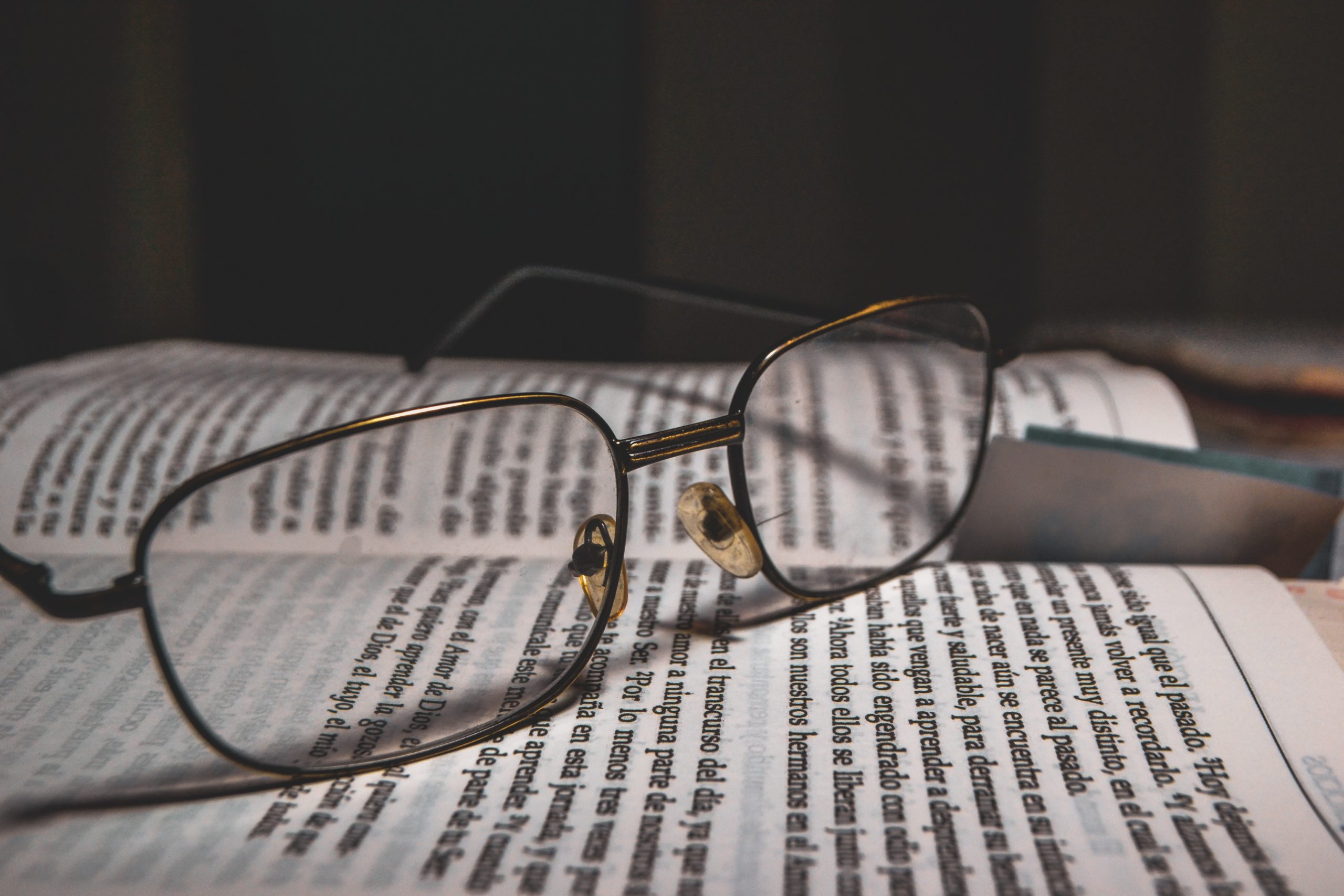
In the quiet, snow-covered landscapes of Northern Europe, something dark is brewing. Over the last two decades, a genre known as Nordic Noir has taken the literary world by storm. From the chilling streets of Oslo to the remote fjords of Iceland, Scandinavian crime fiction has moved beyond mere entertainment to become a global phenomenon. But what is it about these gritty, bleak stories that captures our imagination? As we explore the books on my shelf , we begin to understand the-found-impact-of-reading these complex narratives.

What Defines Nordic Noir?

Nordic Noir is not just about a crime and a detective. It is a mood, an atmosphere, and a social critique. The genre is characterized by its stark settings, melancholic protagonists, and a sense of realism that strips away the glamour often found in American or British thrillers.

  • The Setting: The landscape is a character itself. The endless winters, the biting cold, and the isolation of the North provide a perfect backdrop for mystery.
  • The Protagonists: Unlike the polished heroes of Hollywood, Nordic detectives are often flawed, lonely, and struggling with their own demons.
  • Social Critique: Behind every murder mystery lies a deeper comment on society—exploring themes like immigration, political corruption, and the dark side of the welfare state.

The Masters of the Craft

When we look at authors like Fredrik Backman (seen in my collection in image.png) or Jo Nesbø, we see a mastery of tension. While Backman leans more towards contemporary fiction and human emotion, the broader Nordic crime scene is led by giants who have redefined the “page-turner.”

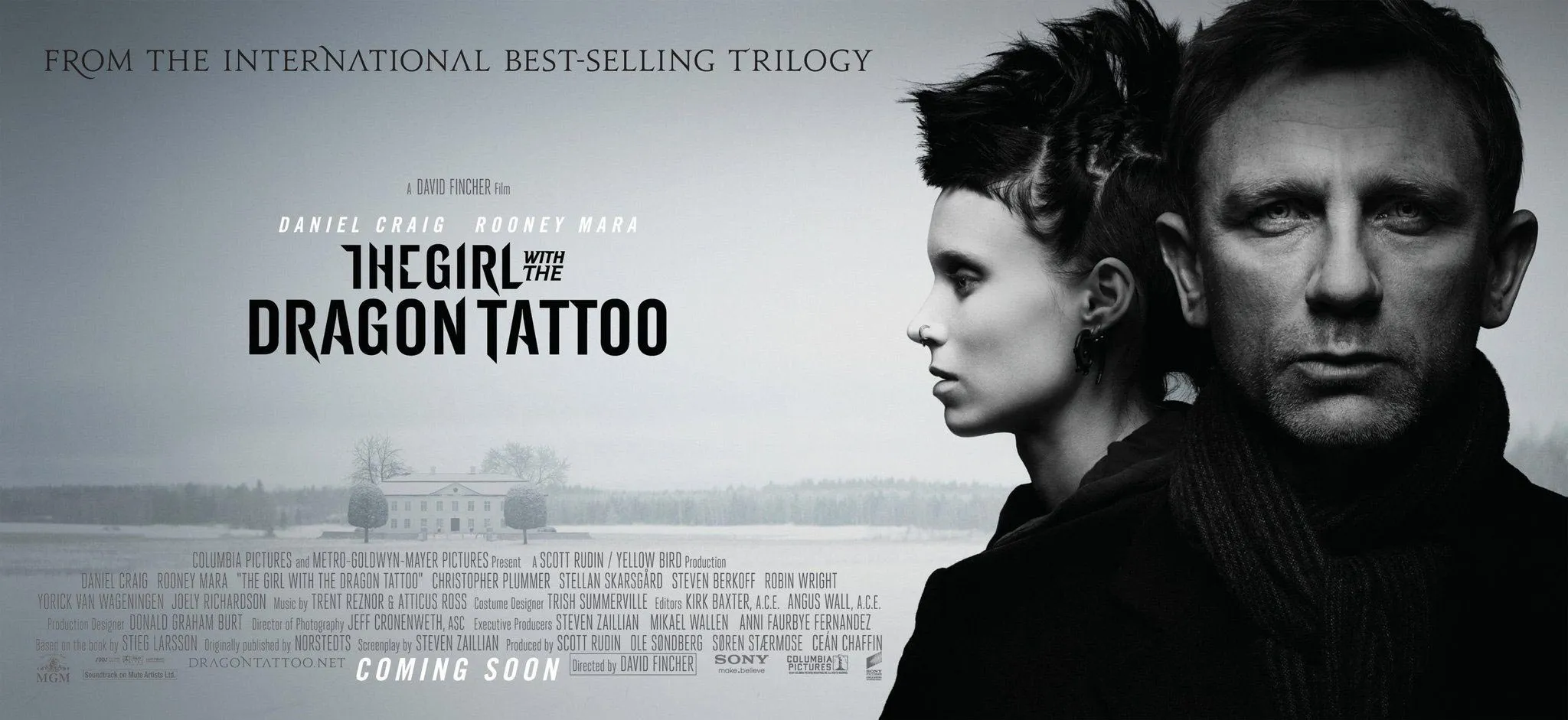
  1. Stieg Larsson: The “Millennium” series changed everything. It brought a level of intensity and social justice that the genre had never seen before.
  2. Jo Nesbø: His Harry Hole series is the gold standard for atmospheric police procedurals.
  3. Camilla Läckberg: Often called the “Agatha Christie of the North,” she blends domestic drama with chilling crimes.

The Psychological Impact of Crime Fiction

Why do we enjoy reading about such dark subjects? This is where Personal Growth and Literary Analysis meet. Reading Nordic Noir allows us to explore the darker side of the human psyche from the safety of our homes. It challenges our perceptions of justice and morality.

As mentioned in our previous article on [The Found Impact of Reading], engaging with complex mysteries forces the brain to process intricate details, enhancing our cognitive focus. It isn’t just about “who did it”; it’s about “why they did it.”

Building Your Own Nordic Shelf

If you are looking to start your journey into this genre, look no further than the stack in my recent photo (image.png). Authors like Ingrid Berglund and Karin Härjegård offer a unique perspective that blends traditional mystery with modern Scandinavian life.

To build a great collection, you should:

  • Start with translated classics to get a feel for the rhythm.
  • Follow blogs like [Goodreads Nordic Group] to stay updated on new releases.
  • Don’t be afraid of the “Bleakness”—the darkness makes the light moments in these books shine brighter.

Conclusion

Nordic Noir is more than just a genre; it is a reflection of the human condition under the midnight sun. Whether you are a long-time fan or a curious newcomer, the impact of these stories stays with you long after you turn the final page. They remind us that even in the coldest climates, the human heart remains a complex and mysterious place.

Discover the dark world of Nordic Noir literature. In this deep dive, we explore why Scandinavian crime fiction has a global impact and how authors like Jo Nesbø and Fredrik Backman use the freezing North to tell chilling stories of human nature and social justice."

Discover the dark world of Nordic Noir literature. In this deep dive, we explore why Scandinavian crime fiction has a global impact and how authors like Jo Nesbø and Fredrik Backman use the freezing North to tell chilling stories of human nature and social justice.”